
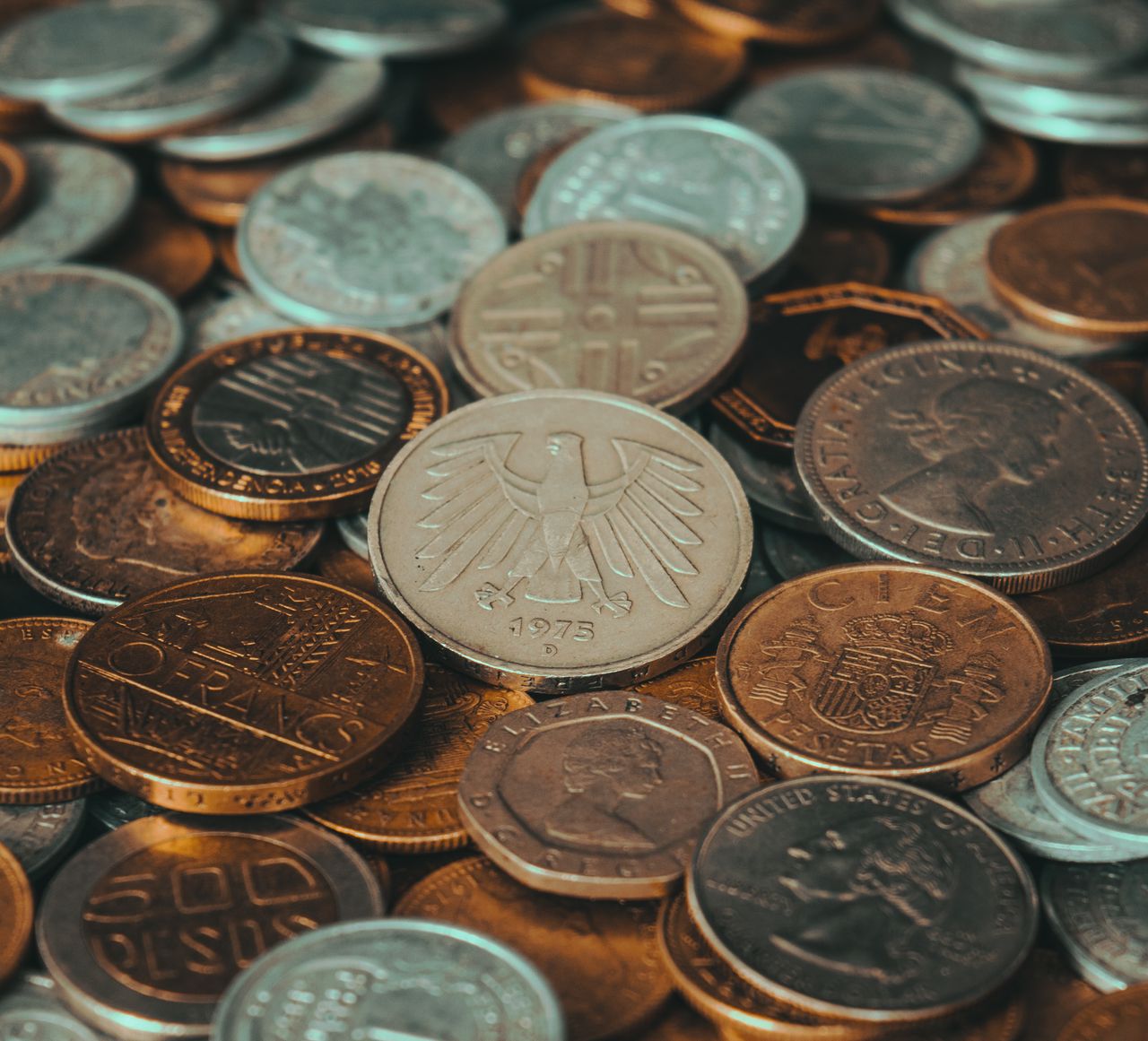
The value of a coin is influenced by several factors, and understanding them is essential for anyone interested in collecting numismatic pieces. One of the most important considerations is rarity, which refers to how difficult a particular coin is to find. Coins produced in limited quantities, surviving in small numbers, or associated with unusual historical circumstances can attract significant collector interest. However, a low mintage does not automatically make a coin valuable, as demand also plays an important role in determining its market price.
Another major factor is the coin's condition, often described using a grading system that evaluates its preservation and remaining design details. Coins with minimal wear, original surfaces, and sharp features generally attract greater interest than heavily circulated examples. Historical significance, minting errors, and collector demand can also influence prices. For instance, a coin featuring a rare design variation or an unusual production mistake may become especially desirable among specialists. Precious metal content can provide additional value, particularly for gold and silver coins, although collectible value may exceed the underlying metal value.
Research is essential when trying to understand how much a coin might be worth. Collectors can consult reputable coin catalogs, grading services, auction archives, and recent sales records to compare similar examples and develop a realistic estimate. It is also important to distinguish between asking prices and actual completed sales, since advertised prices do not necessarily reflect what buyers are willing to pay. By considering rarity, condition, historical importance, metal content, and current market demand together, collectors can make more informed decisions and develop a better understanding of the fascinating economics of coin collecting.