
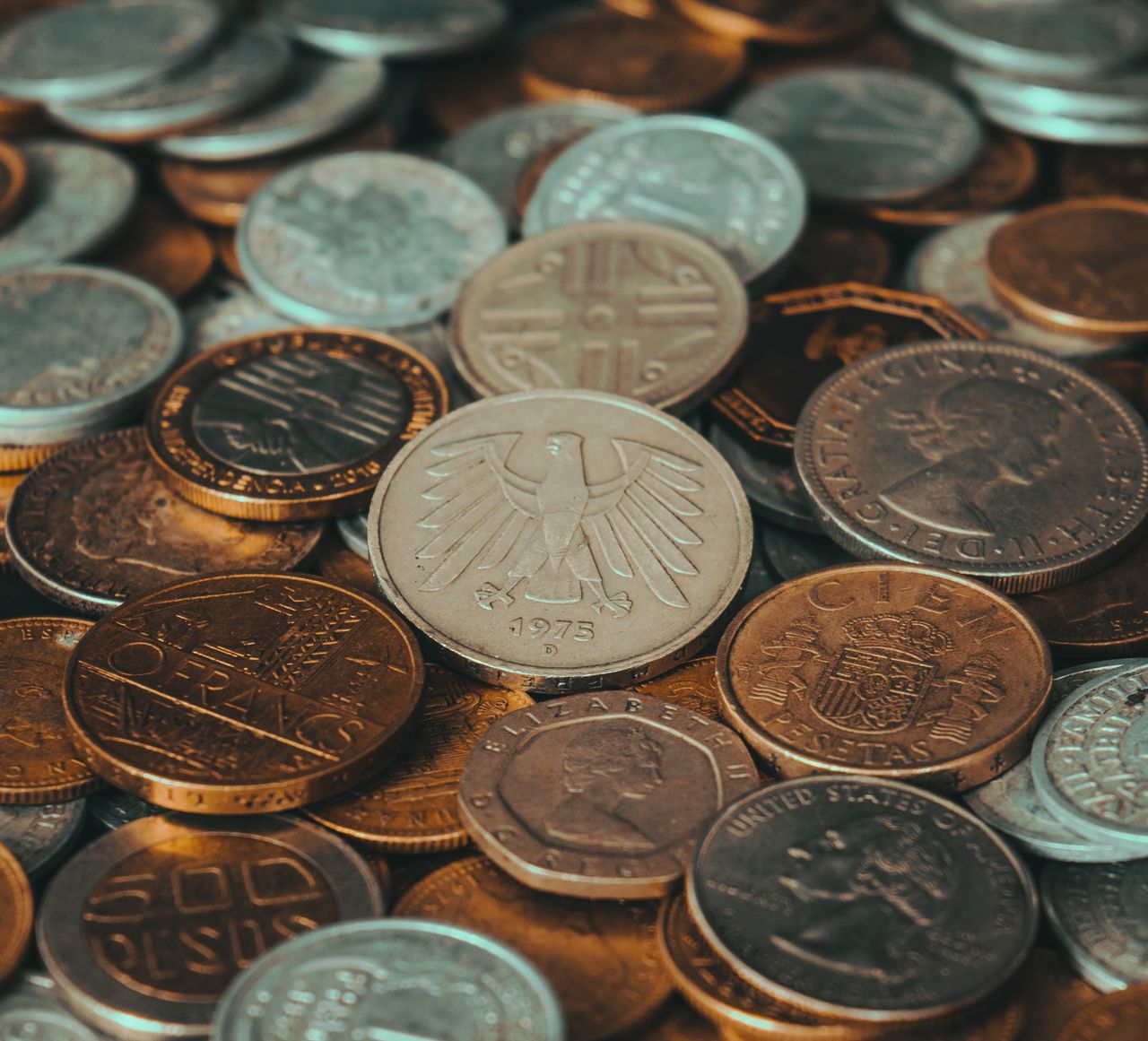
Coins have played an important role in human civilization for thousands of years, serving as a practical means of trade and a reflection of cultural identity. Some of the earliest known standardized coins appeared in the ancient kingdom of Lydia, in present-day Turkey, around the seventh century BCE. Made from electrum, a naturally occurring mixture of gold and silver, these early coins helped simplify commercial transactions and establish more consistent systems of payment. Their introduction marked a significant development in the history of money and international trade.
As civilizations expanded, coins became more than simple tools for buying and selling goods. Ancient Greek cities, Roman emperors, and other powerful societies used coin designs to communicate political authority, religious beliefs, and important historical events. Images of rulers, gods, monuments, and symbols were carefully placed on coins, turning them into small historical records that could circulate across vast territories. Studying these designs allows modern collectors to discover fascinating details about the societies that produced them.
Over the centuries, coin production evolved alongside technological and economic developments. Precious metals gradually shared their role with less expensive materials, while improved minting machinery made it possible to produce coins with greater consistency and detail. Modern currencies now feature advanced security characteristics, distinctive designs, and standardized denominations. Despite these changes, coins remain valuable historical objects that connect the past with the present, offering collectors an opportunity to explore the development of economies, governments, and cultures around the world.